
Malapascua Island, Philippines — The Island Where the Sea Breathes Deep
ORICAL TRAVELS INSIGHTS
11/7/20253 min read

Malapascua Island, Philippines — The Island Where the Sea Breathes Deep
In the northern waters of Cebu, beyond where most ferries turn back, lies a tiny island surrounded by shimmering blue.
This is Malapascua — a name that, in old Spanish, means “Bad Christmas” — yet for those who arrive here today, it’s a place of grace, not misfortune.
An island of just 2.5 kilometers long and 1 kilometer wide, Malapascua is small enough to walk end to end in an hour — yet deep enough to hold one of the ocean’s greatest wonders.
Here, the sea breathes differently. And so will you.
A Geography of Grace
Malapascua floats just off the northern tip of Cebu, separated from the mainland by a short boat ride across calm, turquoise waters. Its coastline is edged with white beaches, coral reefs, and bamboo villages, while its interior hums softly with coconut trees, roosters, and laughter. The island is home to just a few thousand residents — mostly fishermen, boat builders, and dive guides — who have turned their simple way of life into a quiet model of community-led tourism. There are no cars, only motorbikes and sandy paths. Electricity hums softly at night, and mornings begin with the scent of salt and coffee. Malapascua feels alive — but never hurried.
The Island of Thresher Sharks
Malapascua’s fame doesn’t lie on its beaches, but below them. It’s the only place in the world where divers can reliably see thresher sharks year-round, thanks to the deep cleaning stations at Monad Shoal, a seamount just 30 minutes offshore. At dawn, as the first light touches the sea, divers descend into blue depths where the sharks glide gracefully — long tails flicking like ribbons, eyes ancient and calm. The local community, with help from marine biologists and dive operators, has carefully regulated these dives:
Strict no-touch and no-flash policies protect marine life.
Limited diver numbers ensure minimal stress on the sharks.
Local guides are trained in marine ecology and conservation.
This partnership between people and nature has turned Malapascua into a symbol of responsible marine tourism across Southeast Asia. “The sharks trust us,” says an old dive instructor. “So we have to be worthy of that trust.”
Sustainability & Island Life
After Typhoon Haiyan in 2013, Malapascua’s community rebuilt not through mass tourism, but through resilience and sustainability.
Local Conservation Efforts
The Thresher Shark Research & Conservation Project educates youth on marine biology and runs beach clean-ups.
Many resorts, such as Evolution Dive Resort and Tepanee Beach Resort, use solar power, ban plastic bottles, and fund reef restoration.
Fishing zones and diving areas are managed through community councils, balancing livelihood with protection.
The result is an island that still feels raw and authentic — imperfect, human, and hopeful.
Vegan & Coastal Cuisine
Food here is humble and heartwarming — seafood for locals, but easy plant-based options for travelers. Vegan meals often feature rice, coconut, and tropical vegetables — cooked simply and served with island kindness.
Typical Vegan Dishes:
Ginataang gulay (mixed vegetables in coconut milk)
Adobong kangkong (water spinach stir-fried with soy and garlic)
Banana cue (caramelized plantains)
Fresh mango, papaya, and buko juice (young coconut water)
Local cafés like The Craic House and D’Avila’s now offer vegan-friendly meals, fresh fruit smoothies, and zero-waste menus. Meals are often shared communally, under palm roofs with sand underfoot — simple, nourishing, and real.
What to See and Do
Diving & Snorkelling
Monad Shoal: Dive with thresher sharks at sunrise — an experience of quiet reverence.
Gato Island: Caves, tunnels, and whitetip reef sharks.
Lighthouse Reef: Great for beginners, colorful coral and mandarinfish.
Explore by Foot
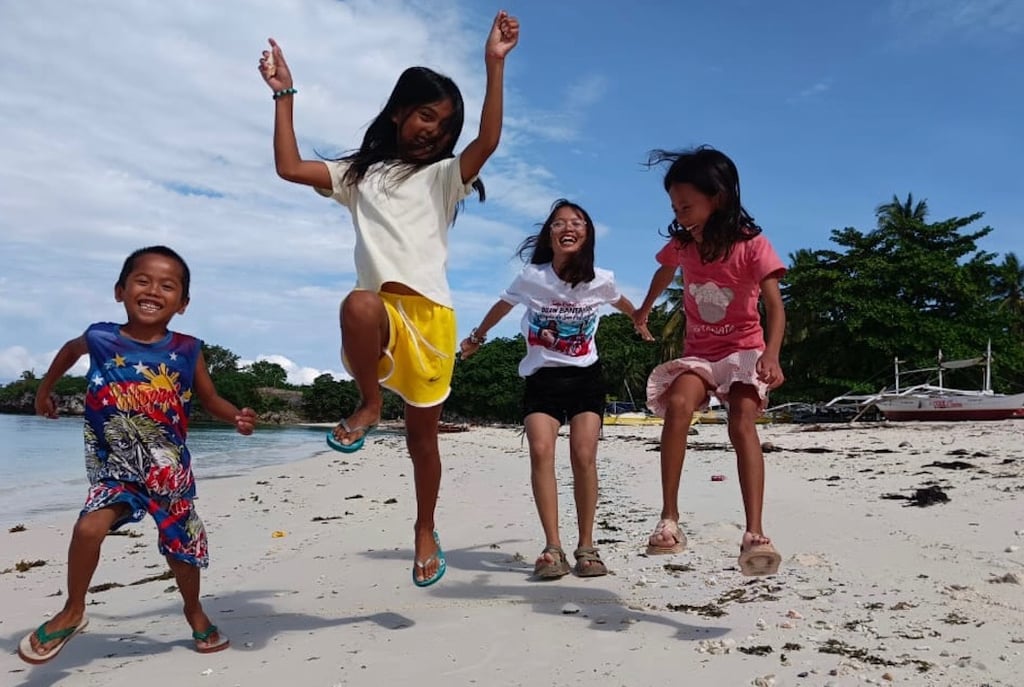
Walk from Bounty Beach to the north villages where children play by the shore and fishermen weave nets by hand.
Yoga & Reflection
Small yoga sessions are offered by eco-lodges — morning classes facing the sea or sunset meditations among palms.
Night by the Sea
As night falls, the island glows softly — lanterns, laughter, and bioluminescence twinkling in the shallows.
How to Get There
From Cebu City:
Take a bus or van to Maya Port (approx. 4–5 hours).
From Maya, board a local outrigger boat to Malapascua (30 minutes).
From Manila:
Fly to Cebu (1 hour) and continue via the above route.
Boats run regularly until late afternoon; private transfers are available for sunset arrivals.
Best Time to Visit
November to May: Dry season, best for diving and clear skies.
June to October: Lush landscapes, calm mornings, occasional rain.
Year-round diving: Thresher sharks can be seen in any month — a rarity in the marine world.
Responsible Travel Tips
Use reef-safe sunscreen — chemical lotions harm marine life.
Avoid touching coral or chasing marine animals.
Support locally-owned dive shops and eco-lodges.
Participate in beach cleanups — locals welcome volunteer help.
Learn a few Cebuano phrases — it builds genuine connection.
Don't miss out! Get the travel inspiration you crave with our exclusive blog posts, insider hacks, and up-to-the-minute travel news.
Subscribe